The AI Boom Is Raising the Price of Your Next Office Computer
Fresh October figures from three research firms show PC shipments fell about 20% last quarter. Memory chips are being pulled toward AI data centers, early-year stockpiling left a hangover, and analysts expect prices to stay high into 2027.

If you've priced a laptop or desktop lately and felt sticker shock, the numbers back you up. In the week of Oct. 8–12, 2026, three major market-research firms released early third-quarter figures. All three point the same way: fewer computers are shipping. Higher prices are a big part of the reason, but not the only one. IDC also points to supply constraints and to a "pull-in" earlier in the year, when stores and manufacturers stocked up ahead of expected price hikes and left little demand for the fall.
The numbers (confirmed, preliminary)
The firms count slightly differently, so their totals don't match exactly. All three show a decline of roughly a fifth compared with the same quarter last year:
- Gartner (Oct. 12): 55.4 million PCs shipped worldwide in July–September, down 22.4% from a year earlier. Gartner says volumes are back to early-2023 levels.
- IDC (Oct. 8): 62.7 million units, down 20.1% from 78.5 million, IDC's release says. It was the second straight quarterly decline and deeper than the 3.8% drop in the second quarter.
- Omdia (Oct. 9): 58.1 million desktops, laptops and workstations, down 21.2%, according to Ars Technica.
All three firms label these figures preliminary.
Every major brand shipped fewer machines. According to Gartner, HP fell furthest (down 30.9%), Dell fell 25.4% and Lenovo 22.4%. Apple had the smallest decline among the top six (down 7.1%).
Why: memory chips, stockpiling and supply
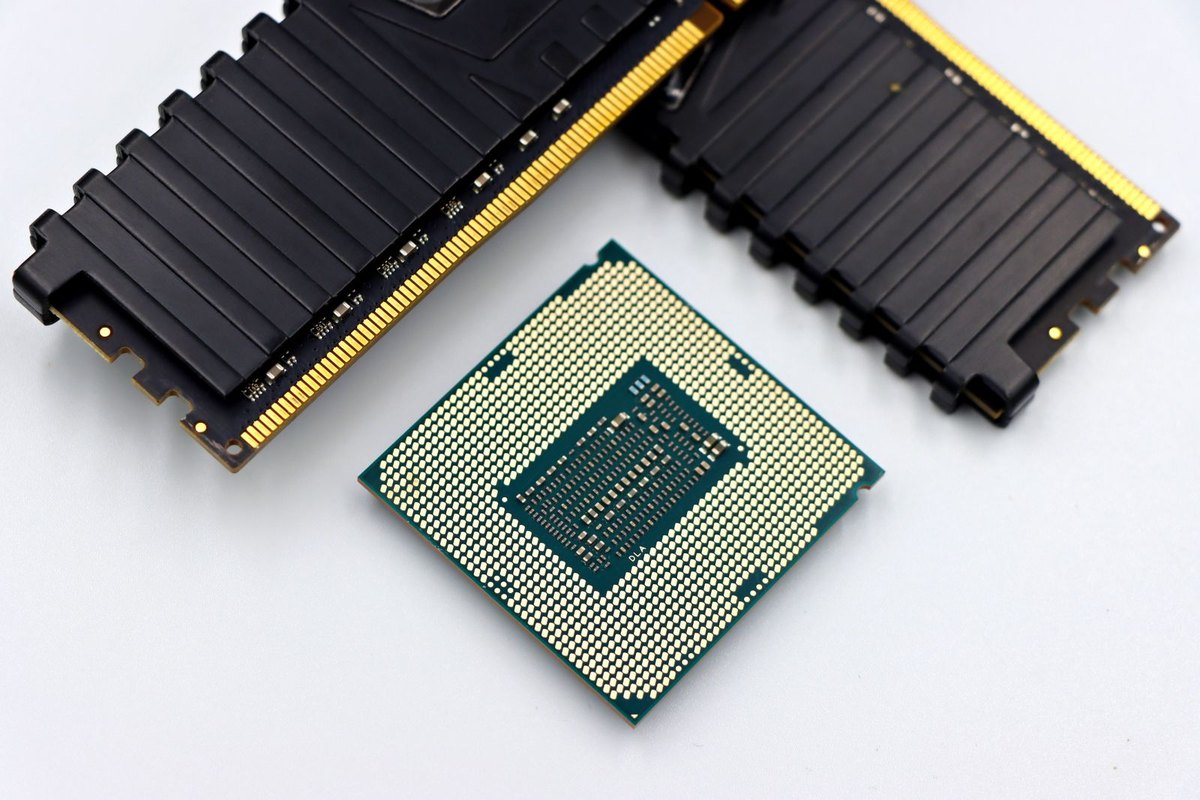
Attributed analysis: IDC lists three drivers of the third-quarter drop: the industry-wide inventory pull-in earlier in 2026, ongoing supply constraints, and higher prices tied to the AI data-center build-out. Gartner says the cost of DRAM, the working memory inside every computer, rose about fivefold year over year in the second quarter, and that PC makers have now passed those costs on to buyers. Omdia analyst Ben Yeh told Ars Technica that memory and storage now make up nearly 40% of the parts cost of a PC, compared with a more typical 15%. The analysts tie the memory squeeze to AI data centers, which use huge amounts of high-end memory and compete with laptops, phones and game consoles for the same factory capacity.
Gartner also says manufacturers are steering their limited parts toward more expensive configurations. That leaves fewer budget models on store shelves, which hits small offices and households hardest.
How long will it last?
Forecasts (not facts):
- IDC forecasts average PC selling prices will rise 18.3% in 2026, according to its PC market forecast page (updated June 8), and expects prices to stay above 2025 levels even after memory supply improves.
- Omdia expects fourth-quarter shipments to fall another 24%, and shipments to slip about 7% in 2027, per Ars Technica.
- Memory research firm TrendForce said on Sept. 30 that it expects conventional DRAM contract prices to keep climbing in the fourth quarter, by 10–15% over the previous quarter. That's slower than before, but still up. Its Oct. 7 bulletin described contract-price momentum as easing, not reversing.
- Ars Technica reports that Micron and Samsung executives have suggested chip shortages could continue through 2028.
- IDC's Jitesh Ubrani said channels worried about excess inventory could run promotions that bring "some short-term relief," but IDC doesn't expect prices anywhere near year-ago levels.
Sources (all accessed/as of Oct. 17, 2026)
- Gartner, "Gartner Says Worldwide PC Shipments Declined 22.4% in Third Quarter of 2026 As Component Cost Inflation Raised ASPs," Oct. 12, 2026 (primary) — https://www.gartner.com/en/newsroom/press-releases/2026-10-12-gartner-says-worldwide-pc-shipments-declined-22-point-4-percent-in-third-quarter-of-2026-as-component-cost-inflation-raised-asps
- IDC, "PC Market Woes Continue: Shipments Fall 20.1% in Q3 2026 as Pull-In Hangover and Supply Constraints Bite," Oct. 8, 2026 (62.7M; −20.1%; drivers; Ubrani quote) (primary) — https://www.idc.com/resource-center/press-releases/idc-pc-tracker-3q26/
- IDC, "WW Personal Computing Device Market: Q1 2026 Performance & 2026 Outlook," updated June 8, 2026 (PC ASPs forecast +18.3% in 2026) (primary) — https://www.idc.com/promo/pcdforecast/
- TrendForce, "AI Server Demand Sustains Memory Contract Price Increases in 4Q26, While Consumer-Side Pressure Persists, Says TrendForce," Sept. 30, 2026 (primary) — https://www.trendforce.com/presscenter/news/20260930-13258.html ; and "DRAM Market Bulletin – Oct. 7, 2026" (public summary) — https://www.trendforce.com/research/download/RP261007RZ
- Ars Technica, Scharon Harding, "PC shipments fall 20.1 percent in 'sharpest decline' since Q1 2023," Oct. 9, 2026 (Omdia figures and quotes) — https://arstechnica.com/information-technology/2026/10/pc-shipments-fall-20-1-percent-in-sharpest-decline-since-q1-2023/
- TechRepublic, Matt Gonzales, "PC Prices Could Stay High Through 2027: What Buyers Should Know," Oct. 12, 2026 (independent report of IDC's 18.3% forecast) — https://www.techrepublic.com/article/news-pc-prices-high-through-2027/
- Microsoft Learn, "Extended Security Updates (ESU) program for Windows 10" ($61 Year 1, doubles yearly) (primary) — https://learn.microsoft.com/en-us/windows/whats-new/extended-security-updates
General information only. Corrections: support@cybercavetech.com
Corrections and updates are noted here with the date.
Read next
Microsoft's October 13 Deadline Came and Went. Here's What It Actually Cost Your Office.
Office 2021 just lost security updates for good. Business PCs still on Windows 10 now face a bigger update bill, and Microsoft 365 renewals are arriving at higher prices. Personal Windows 10 PCs, on the other hand, quietly got another year.
The Tools Your IT Helper Uses Were Targeted This Month
In the first half of October, attackers went after remote-support software, office VPNs, backup servers and a cloud provider that 495 companies and local governments relied on. The lesson for small businesses: ask where your backups really live.